Bashan Paleolithic Site
Introduction
The Bashan Paleolithic site is a significant archaeological complex located in Yishui county, Shandong province. Spanning a timeline from 100,000 to 10,000 years ago, the site provides a rich repository of artifacts and fossils that offer a window into prehistoric human life and activities. Renowned as one of China's top archaeological discoveries in 2023, the site has garnered attention for its well-preserved layers and the insights it offers into early human settlements.
The extensive array of stone tools, animal fossils and evidence of human activity at Bashan shed light on the cultural and technological evolution of ancient humans in the region. As excavation efforts continue, the site promises to further unravel the mysteries of prehistoric human life in East Asia.
Discovery and Location
The Bashan Paleolithic site was uncovered due to natural events in July 2020 when heavy rains in Hekui, a village in Yishui county, Shandong province, led to the release of water from the Bashan Reservoir. The resulting cascade eroded riverbanks and exposed significant archaeological remains. This fortuitous discovery in the Yihe River Basin was first identified when animal fossils, including a segment of an elephant molar, were found by locals. A researcher from the Shandong Institute of Cultural Relics and Archaeology, was among the first to recognize the potential significance of these findings. The site is located on an alluvial plain near the Yihe River, characterized by its dense layers of sediment and varied cultural artifacts. Over the years, it has been enclosed to protect against flooding, ensuring the preservation of its invaluable archaeological treasures.
Archaeological Significance
The Bashan site holds immense archaeological significance as it represents a rare and well-preserved repository of Paleolithic human activity. The stratigraphic sequence at the site reveals a continuous timeline of habitation from approximately 100,000 to 10,000 years ago. The discovery of stone tools and animal fossils in multiple layers provides crucial evidence of early human settlements and their interactions with the environment. The presence of tools made from local quartz indicates the resourcefulness of ancient inhabitants in sourcing materials for tool-making. Additionally, the findings of fossils from large mammals, such as straight-tusked elephants and woolly rhinoceroses, offer insights into the fauna that coexisted with humans during the Pleistocene epoch.
Historical Context
The Bashan site is part of a broader complex of over 80 Paleolithic sites in the Yihe River Basin, collectively known as the Bashan site group. This group illustrates the history and material culture of peoples who lived along the upper reaches of the Yihe River. The artifacts and fossils discovered provide a glimpse into the cultural and technological advancements of these ancient communities. The consistent stratigraphic sequence across the site group highlights a continuity of human activity and adaptation over tens of thousands of years. This historical context underscores the importance of the Bashan site in understanding the long-term human occupation and cultural development in the region.
Cultural Artifacts
The Bashan Paleolithic site is distinguished by its extensive collection of cultural artifacts, including over 30,000 stone items. These artifacts encompass a variety of tool types, such as smashed cores, disc-shaped cores, spheroids, scrapers, choppers, points, stone drills, and hammerstones. The majority of these tools are crafted from quartz, sourced from nearby Bashan Hill. The discovery of tools alongside animal fossils suggests that ancient humans engaged in activities such as tool-making and animal processing. The presence of charcoal fragments and evidence of fire use further indicates the capability of these early inhabitants to harness fire for warmth and cooking.
Excavation and Research
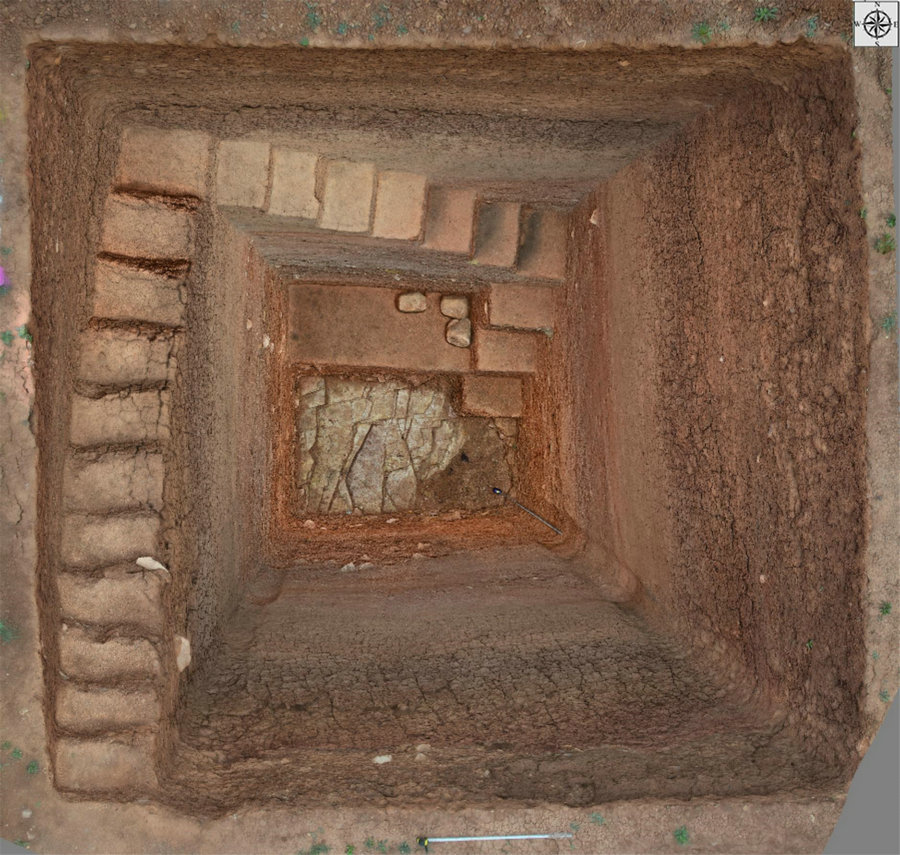
The excavation and research efforts at the Bashan Paleolithic site have been instrumental in uncovering its archaeological treasures. Systematic excavations have been conducted to explore the site's stratigraphy and recover artifacts. The excavation has revealed 14 distinct layers, each representing a different cultural phase. The meticulous work of archaeologists has provided a comprehensive understanding of the site's significance and its contribution to the study of prehistoric humans.
Early Excavations
Initial excavations at the Bashan site began following the discovery of animal fossils and quartz artifacts. Early efforts focused on assessing the scope and extent of the site, with archaeologists digging to depths of nearly 8 meters. The findings from these early excavations included stone tools and fossils of large mammals, providing a foundation for further research. The presence of well-preserved cultural layers was a promising indication of the site's potential to yield significant archaeological insights.
Recent Developments
In recent years, the excavation and research efforts at the Bashan site have intensified, leading to new discoveries and interpretations. The identification of additional Paleolithic sites within the Yihe River Basin has expanded the understanding of the Bashan site group's regional significance. Radiocarbon dating and advanced analytical techniques have confirmed the age of artifacts, solidifying their place in the Upper Paleolithic era. The ongoing research continues to refine the understanding of human activity and adaptation during the Pleistocene epoch.
Findings and Interpretations
The findings at the Bashan Paleolithic site have provided a wealth of information about the tools and lifestyles of ancient humans. The analysis of artifacts and fossils has offered valuable insights into the technological capabilities and cultural practices of prehistoric communities.
The stone tools recovered from the Bashan site exhibit a high degree of craftsmanship and variety. The presence of smashed cores, disc-shaped cores, and flakes suggests a sophisticated understanding of lithic technology. The diversity of tools, including scrapers, choppers, points and hammerstones, indicates a range of activities, from hunting and butchering to processing materials. The use of local quartz for tool-making reflects the resourcefulness of these ancient inhabitants in utilizing available materials.
The evidence of human activity at the Bashan site extends beyond tool-making. The discovery of charcoal fragments and fire residue points to the use of fire for warmth and cooking, particularly during the last glacial period. The presence of juvenile animal fossils suggests hunting and butchering practices, with humans strategically targeting weaker prey. These findings collectively highlight the adaptive strategies employed by ancient humans to survive and thrive in a challenging environment.
Conservation and Preservation
Efforts to conserve and preserve the Bashan Paleolithic site have been prioritized to protect its invaluable archaeological heritage. Enclosures have been constructed to prevent flooding, ensuring the site remains intact for future research. Multidisciplinary cooperation has facilitated the reinforcement of fragile remains and the development of protection plans. Advanced techniques such as CT scanning and DNA analysis are employed to preserve and study the site's artifacts and fossils, contributing to the broader understanding of prehistoric human life.








